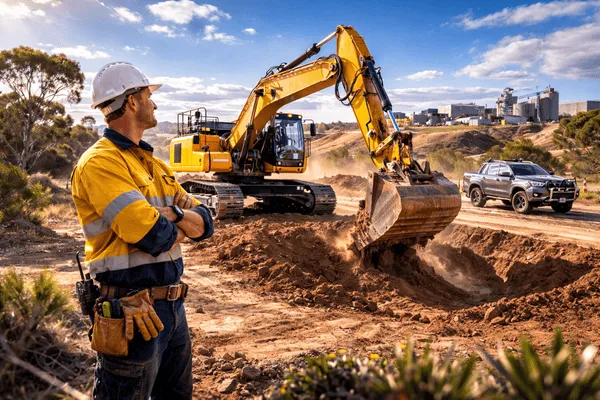
Yellow Gear Finance Australia | Excavators, Loaders & Dozers
Heavy machinery like excavators, loaders, dozers and graders sits at the heart of many earthmoving and civil operations. These are not small purchases — they are assets that directly determine how much work your business can take on.
Lenders are very familiar with yellow gear because it’s common across construction, civil works and mining support industries. When the business activity and the machine clearly align, approvals can be more straightforward than many operators expect.
This guide explains how lenders assess yellow gear finance and what you can do to present a clean, lender-friendly application.
For the full overview of plant and machinery lending, read: Equipment & Machinery Finance Australia – Complete Guide.
Why Yellow Gear Is Viewed as a Commercial Asset, Not a Risky Purchase
From a lender’s perspective, yellow gear has three important characteristics:
It is directly tied to paid work.
It has a strong, established resale market.
It is common in industries lenders deal with every day.
An excavator used for civil works, a loader used for site preparation, or a dozer used for bulk earthmoving is not a speculative asset. It is a machine with a known purpose, used in industries with steady demand.
That makes these deals less mysterious to lenders than you might think.
The First Thing Lenders Assess Is Not the Machine — It’s Your Business
Before the lender worries about the excavator or loader, they want to see that the business buying it is real, active, and generating income.
This is where recent bank statements matter more than anything else. Lenders look for consistent deposits that show you’re already operating in earthmoving, construction, civil work, mining support, or related industries.
A contractor with steady payments from site work is far easier to assess than someone with unclear income patterns, even if both are buying similar machines.
This is why many yellow gear loans can be assessed without full financials — the statements often show enough to demonstrate affordability.
Matching the Machine to the Work You Do
Heavy machinery finance works best when the machine clearly matches your business activity.
An earthmoving contractor buying an excavator makes immediate sense. A civil contractor buying a loader for site prep makes sense. A mining support operator financing a dozer for clearing and grading makes sense.
Where applications slow down is when the lender can’t immediately see how the machine fits into the work being done. When that connection is obvious, the assessment becomes much simpler.
A short, clear explanation of what the machine will be used for can remove a lot of unnecessary questions.
Age, Condition and Brand — What Actually Matters
There’s a misconception that lenders only want new gear.
In reality, used yellow gear is financed constantly. What matters more than “new vs used” is:
the age of the machine at the end of the loan term
the general condition and serviceability
whether the brand and model have an established resale market
Popular, widely used brands often make lenders more comfortable because resale value is predictable. That doesn’t mean other brands can’t be financed — it just means clarity becomes more important.
Older machines can still be funded, but the loan term and structure may be adjusted to suit.
Dealer, Private Sale, or Auction — Why Paperwork Matters
Yellow gear is often purchased through:
equipment dealers
private operators
auctions
Dealer purchases are typically smoother because documentation is clean and standardised.
Private sales and auctions can still be financed, but they rely heavily on good documentation. Clear details such as make, model, year, serial numbers and seller information are critical. The more guesswork the lender has to do, the slower the process becomes.
Many operators benefit from checking their finance pathway before bidding at auction or committing to a private deal.
How Repayments Are Usually Structured for Heavy Plant
Heavy machinery loans are commonly structured over several years, often with a balloon payment at the end to keep regular repayments manageable.
This works well because:
the machine earns income while being repaid
businesses often upgrade machinery over time
resale value can help clear or refinance the balloon later
The goal is to structure repayments so they fit comfortably within real operating costs — fuel, maintenance, insurance and downtime all need to be considered alongside repayments.
Is Zero Deposit Possible on Yellow Gear?
Often, yes.
When your business income is strong and the machine is a sensible commercial asset, lenders are often comfortable funding the full purchase price without requiring a deposit.
Deposits are more likely when:
the ABN is very new
income is inconsistent
the machine is very old or unusual
documentation is unclear
In many cases, keeping cash in the business is seen as a positive rather than insisting it be used as a deposit.
A Real-World Example Lenders See Regularly
An earthmoving contractor has consistent work across multiple sites and wants to add a loader to increase capacity. Their bank statements show steady income from site work, and the loader is a common model purchased through a dealer with clear documentation.
The lender can see:
genuine trading activity
a machine that fits the work
a sensible asset with resale value
That’s a straightforward commercial decision for a lender.
Common Mistakes That Slow Yellow Gear Finance
Most delays come from avoidable issues:
incomplete bank statements
unclear machine details
rushing into a purchase before confirming finance options
choosing equipment outside normal guidelines without checking first
Yellow gear finance is not hard — but it does require organised documentation.
FAQs
Can I finance used yellow gear?
Yes, very commonly, provided the asset is sensible and well documented.
Does the brand of the machine matter?
Sometimes. Well-known brands with strong resale markets are often simpler.
Can I buy from a private seller or auction?
Often yes, but clear documentation is essential.
Do I need financial statements?
Often no. Bank statements are frequently enough.
Is zero deposit possible?
Often yes when income and asset choice are strong.
Can I include attachments?
Often yes, especially if purchased together.
How long can the loan term be?
Commonly up to 7 years depending on age and type.
Final Thoughts
Financing yellow gear is a normal part of commercial lending in Australia. When the business trading activity is clear and the machine fits the work, lenders are often far more comfortable than buyers expect.
To find out more head to our Equipment Finance services page.